
Can plant protein peptides lower cholesterol?
In recent years, discussions about health and nutrition have shifted significantly towards plant-based diets. With the rise of vegetarianism and increased awareness of the nutritional benefits of plant-based foods, many people are exploring alternatives to traditional animal protein. Among these alternatives, plant-based peptides have garnered significant attention due to their potential health benefits, including their role in cholesterol management. This article will delve into plant-based peptides, vegan collagen peptides, and their potential impact on cholesterol levels, while also exploring the benefits of plant-based peptide supplements, particularly for those looking to lose weight.
Understanding Plant Protein Peptides
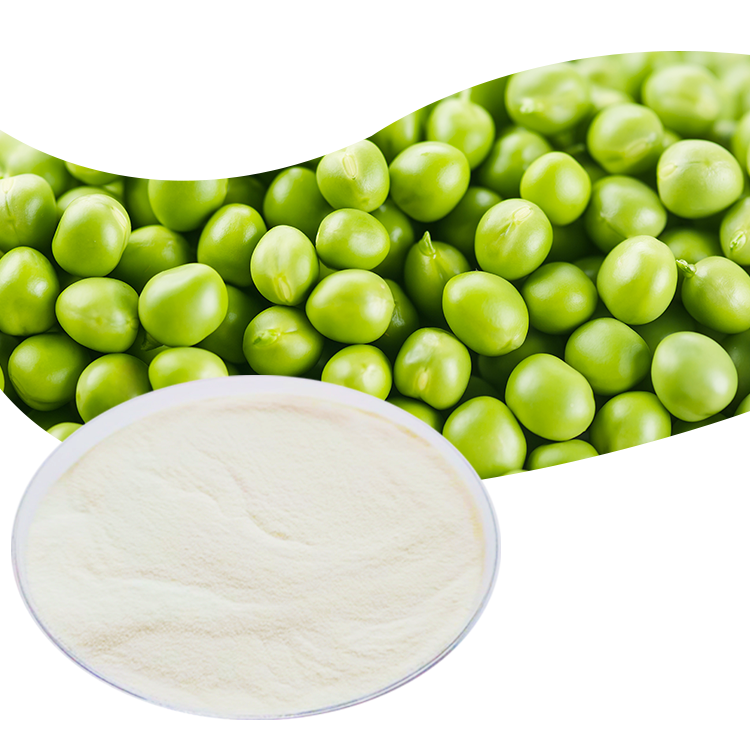
Plant-based peptides are composed of short-chain amino acids derived from plants. They are produced by hydrolyzing plant proteins, a process that breaks them down into smaller, more easily digestible components. Common sources of plant protein include peas, rice, hemp, and soybeans. These peptides are not only rich in essential amino acids but also contain a variety of bioactive compounds that contribute to human health.
One of the most significant advantages of plant-based protein peptides is their ability to promote muscle recovery and growth, making them popular among athletes and fitness enthusiasts. However, their benefits extend beyond this. Recent research suggests that plant-based protein peptides may also play a role in regulating cholesterol levels.
The link between plant protein peptides and cholesterol
Cholesterol is a waxy substance found in the blood. While it is essential for many bodily functions, high levels of low-density lipoprotein (LDL) cholesterol can lead to cardiovascular disease. Traditional cholesterol-lowering dietary recommendations typically focus on reducing saturated fat intake and increasing dietary fiber intake. However, emerging research suggests that plant-based protein peptides may also help manage cholesterol.
Multiple studies have shown that a plant-based diet rich in legumes, nuts, and whole grains can help lower cholesterol levels. The bioactive peptides in these foods may help inhibit the absorption of cholesterol in the intestines and promote the excretion of bile acids, thereby lowering total cholesterol levels. Furthermore, plant protein peptides may have antioxidant properties, further promoting heart health.
Vegan Collagen Peptides: A Plant-Based Alternative
Collagen is a protein that plays a vital role in maintaining the structure and elasticity of skin, joints, and connective tissue. Traditionally, collagen supplements have been derived from animals, but the demand for vegan alternatives has spurred the development of vegan collagen peptides. These plant-based collagen peptides are formulated with amino acids and other nutrients to support the body’s own collagen production.
While plant-based collagen peptides don’t directly lower cholesterol, they contribute to overall health, which is crucial for maintaining healthy cholesterol levels. A balanced diet, including plant-based peptides, can promote healthy skin, joint function, and overall vitality, making it easier for people to engage in physical activity and maintain a healthy weight—factors essential for cholesterol management.
Plant-based peptide supplements aid in weight loss
For those looking to lose weight, plant-based peptide supplements can be a valuable addition to their diet. These supplements are typically low in calories and high in protein, making them an excellent choice for those who want to meet their nutritional needs while reducing calorie intake. Protein is known to enhance satiety, helping people feel full for longer and thus reducing the likelihood of overeating.
In addition, plant-based peptide supplements can help maintain muscle mass during weight loss. When people lose weight, they typically lose both fat and muscle simultaneously. By adding plant-based protein peptides to their diet, people can help maintain lean muscle mass, which is crucial for a healthy metabolism. Higher muscle mass can increase calorie expenditure, thus further supporting weight loss goals.
The role of dietary fiber in cholesterol management
Besides plant-based protein peptides, dietary fiber also plays a crucial role in controlling cholesterol levels. Plant-based diets are generally rich in dietary fiber, which helps lower low-density lipoprotein (LDL) cholesterol levels. Soluble dietary fiber, in particular, has been shown to bind with cholesterol in the digestive system, preventing it from being absorbed into the bloodstream. Foods rich in soluble dietary fiber include oats, beans, lentils, and fruits.
Combining a high-fiber diet with plant-based protein peptides produces a powerful synergistic effect, effectively controlling cholesterol. The combination of protein and fiber enhances satiety, promotes digestion, and maintains heart health.
Add plant-based protein peptides to your diet
If you are interested in learning about the benefits of plant-based protein peptides in controlling cholesterol and losing weight, you can incorporate them into your diet in the following ways:
1. Smoothie: Add a scoop of plant-based protein peptide powder to your morning smoothie for added nutrition. Mix it with fruits, leafy green vegetables, and healthy fat sources such as avocado or nut butter.
2. Baking:In baking recipes, plant-based protein peptide powder can be used to replace some of the flour. This increases the protein content of baked goods while maintaining their texture.
3. Soups and Stews: Adding plant-based protein peptides to soups and stews can enhance their nutritional value. They blend easily with the dishes without altering the flavor.
4. Snacks: Choose plant-based protein bars or snacks containing plant-based protein peptides. These are convenient and portable nutritional supplement options.
5. Salads: Sprinkle plant-based protein peptides into your salad or cereal bowl for extra protein. This helps make your meals feel fuller and more satisfying.
In conclusion
In summary, plant-based protein peptides, including vegan collagen peptides and plant-based peptide supplements, offer a variety of health benefits, such as potential cholesterol management and weight loss support. By incorporating these plant proteins into a balanced diet rich in fiber and whole foods, people can take proactive steps to improve their heart health and overall well-being. As always, consult a healthcare professional before making any significant dietary changes, especially if you have a health condition or are concerned about your cholesterol levels. Embrace a plant-based lifestyle that is both delicious and nutritious, helping you achieve your health goals while allowing you to enjoy nature’s bounty.
Post time: Jun-29-2026


