
Natural Neuroprotective Peptide — Collagen Cyclic Dipeptide
Bid farewell to tossing and turning at night | This collagen cyclic dipeptide brings a new nutritional solution for middle-aged and elderly sleep health
Sleep disturbance is highly prevalent among the middle-aged and elderly, and poor sleep creates cascading adverse effects on the body.
The ripple effects of sleep issues
Sleep quality deterioration is a common trouble for people in middle and old age: it may take more than one hour to fall asleep, waking 2–3 times overnight, or waking up well before dawn. These issues not only deprive the body of rest but also lead to daytime fatigue, impaired memory, irritability, and an increased burden on the brain.
Most sleep-aid pharmaceuticals on the market carry risks of dependency and side effects, making long-term use a concern. The public is in urgent need of a safe, gentle dietary nutrition option suitable for daily conditioning.
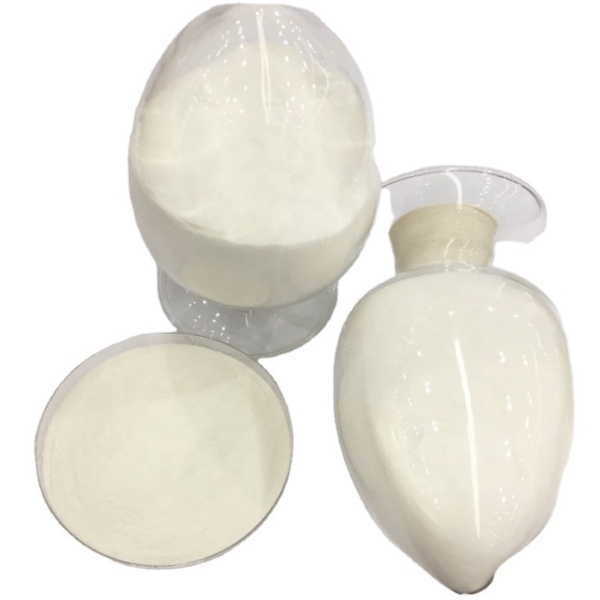
Collagen cyclic dipeptide (cGP, cyclo-glycylproline) is a naturally occurring bioactive neuroprotective peptide in the human body. It resists enzymatic hydrolysis and can cross the blood-brain barrier to act directly on the brain, with far higher neural activity than bioactive peptides from common ingredients such as walnuts and soybeans.
cGP occurs in extremely low concentrations in food (only trace amounts are found in starfish, deep-sea fish, etc.). It is impossible to reach an effective dose through regular diet alone.
Leveraging Hainan’s tilapia scales and skin resources, Hainan Huayan has overcome production technologies, holding 2 invention patents. This project is supported by Haikou Major Science and Technology Innovation Special Fund, and its achievements have been covered by CCTV and Xinhua News Agency.
Scientific Insight: How cGP supports healthy sleep
Multi-action mechanisms targeting nerves and blood vessels
cGP is a cyclic dipeptide generated from the metabolism of IGF-1 (Insulin-like Growth Factor-1) in the human body. It supports sleep physiology by regulating IGF 1 homeostasis and protecting nerve cells:
1.Preserve neuronal health and reduce oxidative stress damage
2.Modulate brain signaling pathways to soothe the nervous system
3.Deliver neuroprotection with potential benefits for cognition and memory
4.Protect vascular endothelium and improve cerebral blood perfusion
Its neuroactivity has been verified in in vitro and animal studies, while sleep-related effects in humans require clinical trial evidence.
12-Week Clinical Trial: Promising data on sleep improvement
Results of a Randomized, Double-Blind, Controlled Trial
This single-center, randomized, double-blind, placebo-controlled clinical trial was sponsored by Hainan Huayan and conducted at Qingdao Central Hospital of Rehabilitation University (ethically approved). Participants were middle-aged and elderly adults aged 45–70 years with self-reported cognitive decline. A total of 64 valid subjects were divided into the treatment group and the control group, receiving continuous intervention for 12 weeks.
The primary outcome measure was the Pittsburgh Sleep Quality Index (PSQI) (Lower scores indicate better sleep). Cognition and brain processing speed were assessed concurrently.
Key sleep outcomes:
1.Placebo control group: PSQI rose from 7.31 to 7.81, showing a trend of worsening sleep (presumably affected by seasonal and environmental factors)
2.cGP treatment group: PSQI decreased from 7.63 to 6.56, representing a 13.93% improvement in sleep score, with statistically significant intergroup difference (P<0.05)
The trial demonstrates that supplementation with collagen cyclic dipeptide can significantly improve sleep quality in middle-aged and elderly individuals.
Concurrent observational indicators:
1.Global cognitive assessment (MoCA-BV scale): The treatment group showed greater score gains than the control group, indicating potential cognitive benefits
2.STT-A executive function test: The treatment group achieved better improvements in brain information processing speed
Strong safety profile Only one participant reported mild headache and gastrointestinal discomfort throughout the trial, which was judged unrelated to the test product. No serious adverse events occurred, confirming its good safety as a dietary supplement.
Important Notice: This human feeding trial is a nutritional intervention study. The product is not a medicine. It cannot replace sleeping pills or treat insomnia disorders.
Closing remarks: A new sleep-care option for seniors Restful sleep is one of the simplest health wishes for the middle-aged and elderly. Sleep is regulated by nerves, mood, blood vessels and multiple other factors. Instead of forcing sedation, cGP gently modulates nervous system status via nutritional support for long-term wellness.
Sourced from marine fish scales, manufactured under patented processes, and backed by cellular mechanistic research plus a 12-week human clinical trial, collagen cyclic dipeptide offers an innovative dietary nutritional approach for sleep conditioning among the middle-aged and elderly.
Post time: Nov-27-2026


