
Which plants contain natural peptides?
In recent years, the beauty and wellness industry has seen a significant shift towards plant-based ingredients, particularly in the area of collagen alternatives. As consumers become increasingly concerned about their health and the environment, the demand for vegan collagen peptides has surged. Pea peptides, walnut peptides, soy peptides, and corn oligopeptides are among the most popular sources of these plant-based peptides. This article will explore the natural peptides found in these plants, their benefits, and how they can become effective alternatives to traditional animal-derived collagen.
The Rise of Vegan Collagen Peptides
Collagen is a protein that provides structural support for our skin, hair, nails, and connective tissue. Traditionally, collagen supplements are derived from animals, such as bovine or marine collagen. However, with the rise of vegetarianism and increasing concerns about animal welfare, there is growing interest in plant-based alternatives. Vegan collagen peptides are designed to mimic the effects of animal-derived collagen, providing similar benefits while avoiding ethical concerns.
Plant Peptides: In-depth Understanding
1. Pea Peptides
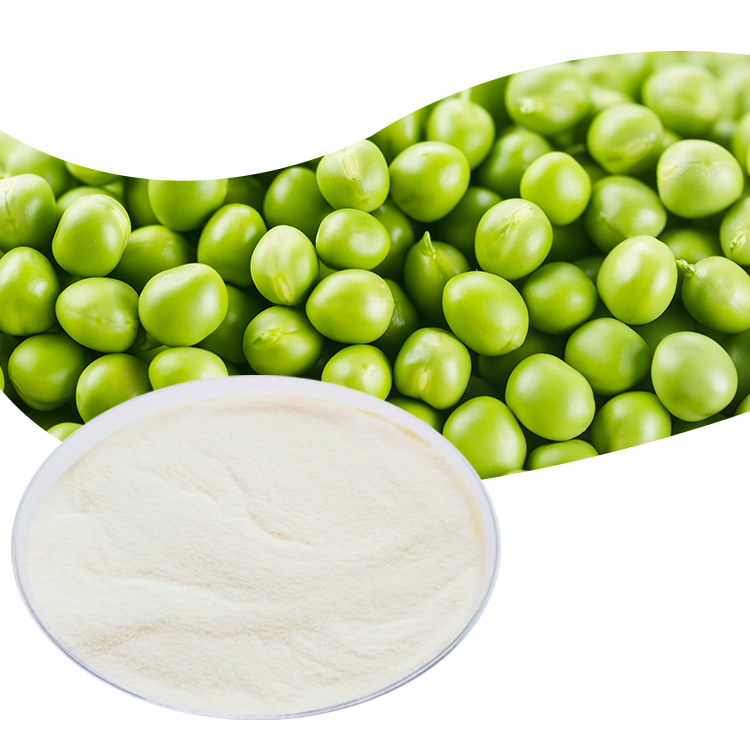
Pea peptides, derived from yellow peas, are gaining popularity as a plant-based protein source. Rich in essential amino acids, especially arginine, pea peptides are known for their ability to promote muscle recovery and improve skin health. They help stimulate collagen production, making pea peptides an excellent choice for those looking to improve skin elasticity and reduce fine lines and wrinkles.
In addition to its beauty benefits, pea peptides are easily digestible and have low allergenicity, making them suitable for people with dietary restrictions or allergies. Furthermore, pea peptides are a sustainable option because peas require less water and land to grow compared to animal protein sources.
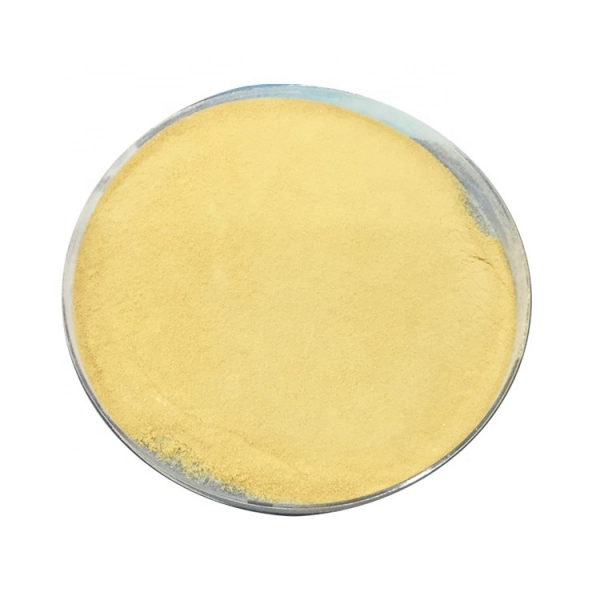
Walnut peptides are another emerging plant-based collagen alternative. Walnuts are rich in omega-3 fatty acids, antioxidants, and essential amino acids, all of which contribute to health. Studies have shown that walnut peptides have anti-inflammatory properties, thus benefiting skin health.
Studies have shown that walnut peptides help improve skin’s hydration and elasticity, thus promoting a youthful glow. Furthermore, the antioxidants abundant in walnuts help protect the skin from oxidative stress, further enhancing its appeal as a natural skincare ingredient.
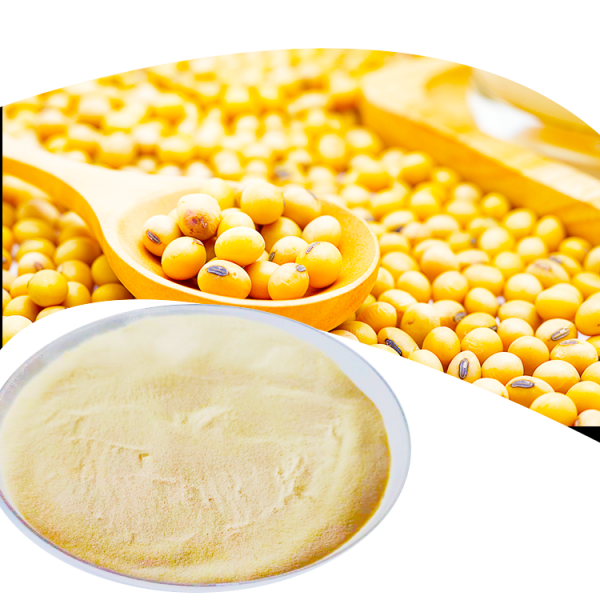
Soy peptides, derived from soybeans, are known for their high protein content. They contain all essential amino acids, making them a complete protein source. Studies have shown that soy peptides have the potential to promote collagen synthesis and improve skin elasticity, thereby enhancing skin health.
Furthermore, soy peptides are rich in isoflavones, plant compounds that mimic the effects of human estrogen. This property is particularly beneficial for postmenopausal women, as it helps combat skin aging and maintain skin firmness. The anti-aging benefits of soy peptides make them a popular ingredient in many skincare formulations.
Corn oligopeptides, derived from corn protein, are gaining increasing attention as a source of plant-based peptides. These oligopeptides, composed of short-chain amino acids, easily penetrate the skin, moisturize, and promote collagen production.
Corn oligopeptides are known for their excellent moisturizing properties, making them an ideal ingredient in skincare products for dry or aging skin. They help improve skin texture and elasticity, leaving skin smoother and more youthful.
Adding plant peptides to skincare products and dietary supplements can bring numerous benefits:
1. Skin Health
Plant peptides, such as those derived from peas, walnuts, soybeans, and corn, have been shown to promote collagen production, improve skin elasticity, and enhance the skin’s ability to retain moisture. These benefits help make skin look younger and reduce visible signs of aging.
2. Sustainability
Plant-based peptides are generally more sustainable than animal-based peptides. Growing plants like peas and soybeans requires less water and land, making them an environmentally friendly option.
3. Hypoallergenic Options
Many plant peptides are hypoallergenic, making them suitable for people with dietary restrictions or allergies. Therefore, they are an excellent choice for those who may have adverse reactions to animal-derived proteins.
4. Nutritional Benefits
In addition to their beauty benefits, plant peptides are often rich in essential nutrients, including vitamins, minerals, and antioxidants. This makes them a valuable addition to a balanced diet, helping to promote overall health and well-being.
How to integrate plant peptides into your daily life
There are several ways to incorporate plant peptides into your daily life:
1. Skincare Products
Look for skincare products with plant peptides as the main ingredient. These products include serums, moisturizers, and masks designed to promote skin health and combat signs of aging.
2. Dietary Supplements
Consider adding vegan collagen peptide supplements to your diet. These supplements typically contain a blend of plant-based peptides from sources such as peas, soybeans, and corn, which can easily promote collagen production from within the body.
3. Whole Foods Market
Incorporate whole foods rich in plant peptides into your diet. Foods such as peas, walnuts, and soy products (tofu, tempeh, edamame) provide natural sources of peptides and offer other health benefits.
Conclusion
As demand for vegan collagen alternatives continues to grow, plant-based peptides are increasingly emerging as an ideal choice for improving skin health and overall well-being. Pea peptides, walnut peptides, soy peptides, and corn oligopeptides offer a range of benefits, from promoting collagen production to improving skin elasticity. By incorporating these natural peptides into your skincare routine and daily diet, you can not only enjoy the benefits of plant nutrition but also care for your beauty and health in a more sustainable and ethical way. Embrace the power of plants and explore the transformative changes plant-based peptides can bring to your skin and health.
Post time: Jun-29-2026


