
Does chlorella peptide really have antioxidant activity (DPPH/ABTS scavenging ability)?
In recent years, the health industry has seen a surge in interest in superfoods, and Chlorella has emerged as a prime example. This green microalgae is highly regarded not only for its rich nutritional content but also for its potential health benefits, particularly its antioxidant properties. Among the many components of Chlorella, Chlorella bioactive peptides and Chlorella oligopeptides have attracted significant attention due to their potential to scavenge free radicals. Free radicals are key factors in oxidative stress and various chronic diseases. This article will delve into the antioxidant activity of Chlorella peptides, focusing on their efficacy in scavenging DPPH and ABTS free radicals.
Understanding Chlorella and Chlorella peptides
Chlorella is a single-celled green algae that grows in freshwater environments. It is rich in various essential nutrients, including proteins, vitamins, minerals, and chlorophyll. Chlorella bioactive peptides and chlorella oligopeptides are among the many components produced by the enzymatic hydrolysis of chlorella proteins. These peptides are small chains composed of amino acids and are believed to possess various biological activities, including antioxidant activity.
Chlorella bioactive peptides are bioactive peptides extracted from chlorella, renowned for their potential health benefits. These peptides are characterized by their ability to exert a variety of physiological functions in the body, including antioxidant, anti-inflammatory, and immunomodulatory activities. The antioxidant activity of chlorella bioactive peptides is particularly noteworthy because it helps combat oxidative stress, which is associated with a range of health problems, including cardiovascular disease, diabetes, and cancer.
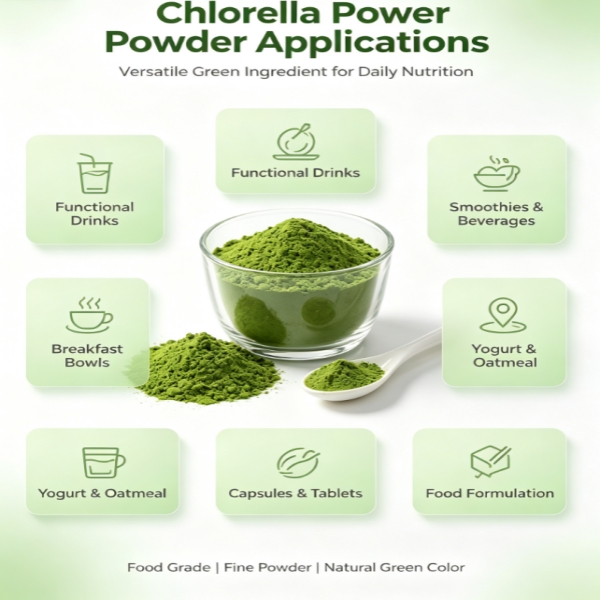
Chlorella Oligopeptides
On the other hand, Chlorella oligopeptides are a special type of Chlorella peptide composed of shorter amino acid chains. These oligopeptides are considered to have higher bioavailability, meaning they are more easily absorbed and utilized by the human body. Like Chlorella bioactive peptides, Chlorella oligopeptides have also attracted attention due to their antioxidant properties, making them an important component in the search for natural antioxidants.
Antioxidant Activity: DPPH and ABTS Scavenging Ability
Antioxidants play a crucial role in scavenging free radicals, which are unstable molecules that can cause cell damage. DPPH (2,2-diphenyl-1-picrylhydrazine) and ABTS (2,2′-azinobis(3-ethylbenzothiazoline-6-sulfonic acid)) assays are two widely used methods for evaluating the antioxidant activity of various compounds, including peptides.
DPPH Scavenging Activity
The DPPH scavenging method is based on the ability of antioxidants to donate electrons to DPPH free radicals, resulting in a color change, which can be measured spectrophotometrically. A decrease in absorbance indicates that the test compound has the ability to scavenge free radicals. Studies have shown that Chlorella bioactive peptides have significant DPPH scavenging activity, indicating that they can effectively neutralize free radicals and reduce oxidative stress.
ABTS Clearance Campaign
Similarly, the ABTS assay can measure the ability of antioxidants to scavenge ABTS free radical cations. The advantage of this method is that it can assess the activity of antioxidants in both hydrophilic and lipophilic environments. Studies have shown that Chlorella oligopeptides also exhibit strong ABTS scavenging activity, further supporting the view that Chlorella peptides are potent antioxidants.
Food-grade Chlorella bioactive peptides
The safety and quality of chlorella peptides are of paramount importance, especially when added to food. The production process of food-grade chlorella bioactive peptides is subject to rigorous quality control to ensure their safety for human consumption. This makes them an ideal choice for food producers, enhancing the nutritional value of their products and providing additional health benefits.
Adding food-grade Chlorella bioactive peptides to functional foods can provide consumers with a natural source of antioxidants, helping to reduce oxidative stress and promote overall health. As consumers become more health-conscious, the demand for functional foods rich in bioactive compounds such as Chlorella peptides is likely to increase.
The Scientific Principles of Antioxidant Activity
The antioxidant activity of Chlorella peptides can be attributed to their unique amino acid composition and structure. Certain amino acids, such as cysteine, methionine, and histidine, are known for their ability to scavenge free radicals. Furthermore, bioactive compounds present in Chlorella, such as chlorophyll and carotenoids, may also contribute to its overall antioxidant capacity.
Studies have shown that the antioxidant activity of chlorella peptides is dose-dependent, meaning that the higher the concentration of these peptides, the stronger their free radical scavenging activity. This finding underscores the importance of using adequate amounts of chlorella peptides in dietary supplements and functional foods to achieve the desired health benefits.
Conclusion
In summary, Chlorella bioactive peptides and Chlorella oligopeptides are highly promising sources of natural antioxidants, exhibiting significant DPPH and ABTS free radical scavenging activity. Their free radical scavenging ability makes them important components for combating oxidative stress and related health problems. With the continued growth in demand for functional foods, food-grade Chlorella bioactive peptides provide a safe and effective way to enhance the nutritional value of various products.
While more research is needed to fully understand the mechanisms of the antioxidant activity of chlorella peptides, existing evidence suggests they have great potential in improving health and well-being. As consumers increasingly seek natural sources of antioxidants, chlorella peptides may play a key role in promoting healthier lifestyles.
Post time: Oct-29-2026


