
Which is safer, sucralose or stevia?
In pursuit of a healthier lifestyle, many people are turning to artificial sweeteners to satisfy their sweet cravings while avoiding extra sugar and calories. Among the most popular choices are sucralose and steviol glycosides. Both sweeteners have garnered significant attention, but a common question remains: which is safer, sucralose or steviol glycosides? This article will explore the properties, safety profiles, and potential health effects of sucralose and steviol glycosides to help you make an informed choice.
Understanding Sucralose
Sucralose is a chlorinated derivative of sucrose (commonly known as white sugar). It is approximately 600 times sweeter than white sugar, meaning only a small amount is needed to achieve the desired sweetness. Sucralose is typically sold in powder form for easy cooking and baking. It has good heat resistance, retaining its sweetness even at high temperatures.
Sucralose is sold under various brand names, with Splenda being the most well-known. It is widely used in a variety of foods, including beverages, baked goods, and even some pharmaceuticals. The advantage of sucralose is that it provides sweetness without the calories of sugar, making it a popular choice for those looking to reduce their calorie intake.
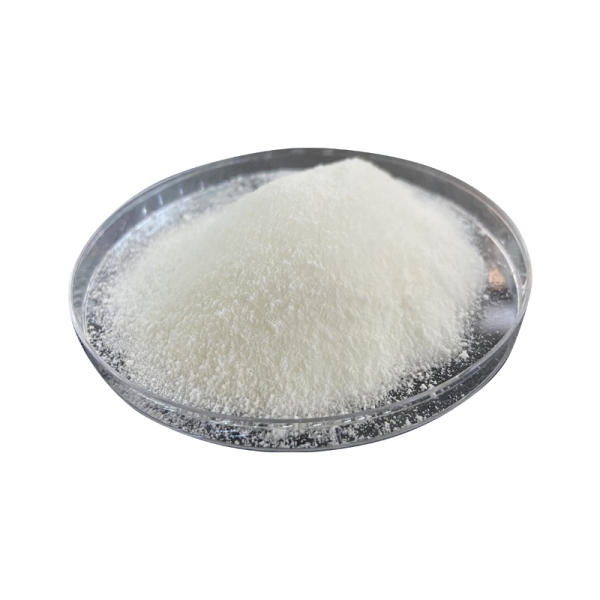
Safety of sucralose
Numerous health organizations, including the U.S. Food and Drug Administration (FDA), the European Food Safety Authority (EFSA), and the World Health Organization (WHO), have assessed the safety of sucralose. These organizations consider sucralose safe for human consumption and have established guidelines for its acceptable daily intake (ADI).
However, some studies have raised concerns about the potential health effects of sucralose. Research suggests that sucralose may alter the gut microbiota, thereby affecting digestive health. Furthermore, there are concerns that sucralose may form potentially harmful compounds when heated at high temperatures (such as during baking). While these findings are still under investigation, they have already raised questions about the long-term safety of sucralose.
Understanding Stevia
Stevia is a natural sweetener extracted from the leaves of the stevia rebaudiana plant. It has been used as a sweetener in South America for centuries. Stevia is known for its extremely high sweetness, up to 300 times that of sucrose. Stevia comes in various forms, including liquid extracts, powders, and even whole leaves.
One of the main advantages of stevia is that it is a natural product, which appeals to consumers seeking alternatives to artificial sweeteners. Stevia is often marketed as a healthier option because it is calorie-free and has a low glycemic index, making it suitable for people with diabetes.
Safety of Stevia
Several health organizations have assessed the safety of stevia. The U.S. Food and Drug Administration (FDA) has granted certain steviol glycosides (the sweet compounds in stevia) the “Generally Recognized As Safe” (GRAS) designation. This means that, based on existing scientific evidence, these compounds are considered safe for consumption.
Studies have shown that stevia may have potential health benefits, including anti-inflammatory and antioxidant properties. Furthermore, some research suggests that stevia may help regulate blood sugar levels, making it an ideal choice for people with diabetes. However, as with any sweetener, moderation is key; excessive consumption may cause gastrointestinal discomfort in some individuals.
In summary
As for which sweetener is safer, sucralose or stevia, the final answer likely depends on personal preference and health considerations. Both sweeteners have their advantages and disadvantages, and both are deemed safe for consumption by health authorities.
For those who prefer natural products and are concerned about potential gut health issues, stevia might be a better choice. On the other hand, those who appreciate the convenience and versatility of sucralose powder in cooking and baking might find it more appealing.
Ultimately, the key to using sweeteners is moderation. Whether you choose sucralose, stevia, or other alternatives, focusing on your overall diet and lifestyle will contribute to your health and well-being. As research continues to advance, understanding the latest findings will help you make the best choices based on your individual needs.
Post time: Jun-29-2026


